

Stages Of Play & Their Importance In Early Child Development
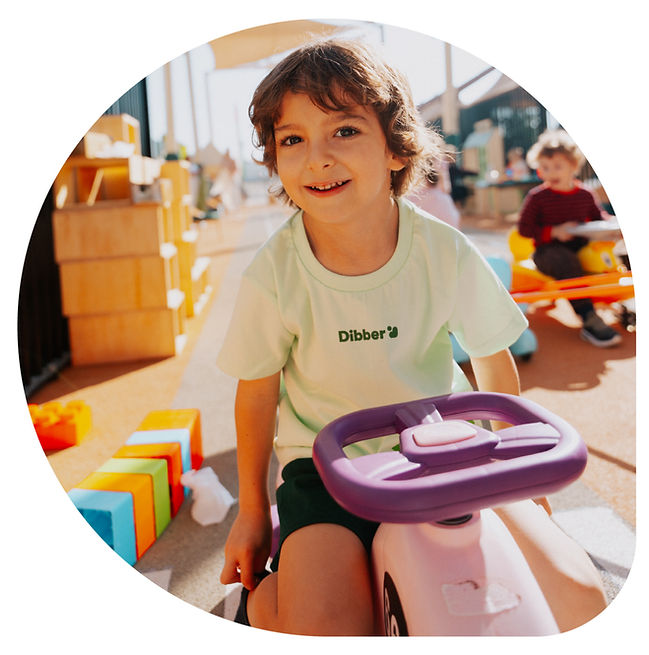
Did you know that Albert Einstein has been widely credited with saying, “Play is the highest form of research.” Studies have also shown that creative, unstructured exploration is the foundation of early learning. Play, therefore, is not a break from learning but serious learning in itself. Through play, children develop essential cognitive, social, emotional, and physical skills that shape their overall growth and future learning experiences.
The Importance Of Play In Early Childhood Development
Imagine being engrossed in an activity such that you don’t realize how much time has passed. The activity is so engaging and fun that you don’t want to stop. All of us have had that experience when we are doing something we enjoy. In the early years, children experience such joy while playing. It allows them to experiment, imagine, problem-solve, and express themselves freely. Through these experiences, children make sense of their environment in a natural and meaningful way.
Types Of Play
There are different types of play, and each contributes uniquely to development.
Physical Play: When we talk about playing, the most common activities that come to mind are running, jumping, and climbing, all of which help develop gross motor skills and overall fitness.
Constructive Play: As the name suggests, this type typically includes constructing something using creativity and problem-solving skills. For example, Lego, puzzles, origami etc.
Pretend Play: A child’s imagination knows no bounds. Whether they are creating a unique storyline or having tea with an imaginary friend, this type of play boosts imagination, language development, and emotional expression.
Social Play: Interacting with other children typically begins in the preschool years. This type of interaction is vital in helping them learn cooperation, communication, and teamwork.
Sensory Play: This is an essential type of play for toddlers as sensory activities stimulate the senses and support brain development. It can involve textures, sounds, and materials (like sand or water).
According to sociologist Mildred Parten, there are 6 stages of play that describe how children’s social interactions evolve over time. These progressive stages highlight how they typically transition from one to the next. Understanding the stages helps educators and caregivers support young ones appropriately without forcing interactions they may not yet be ready for.
Unoccupied Play (0–3 months): At this stage, babies are exploring movements without a clear purpose. It may seem like random activity, but it lays the foundation for future play.
Solitary Play (3 months–2 years): Children play alone, focusing on their own activities without interest in others. This stage helps build independence and concentration.
Onlooker Play (2–3 years): Children observe others but do not actively participate. They learn by watching, absorbing social cues and behaviors.
Parallel Play (3–4 years): Children play alongside others but do not interact directly. Although they are engaged in similar activities, each child works independently.
Associative Play (4–5 years): Interaction begins to develop. They share materials and communicate, but their activities are not yet fully coordinated or structured.
Cooperative Play (5+ years): Children play together with shared goals, rules, and roles. This stage involves teamwork, negotiation, and collaboration.
Play-Based Learning Outcomes
Play-based learning focuses on embedding educational objectives within fun activities, so children can enjoy the process of learning while developing essential skills. This method not only provides an engaging way to learn but also ensures that they develop a lifelong love for learning.
Furthermore, play-based learning also yields some wonderful outcomes:
Language Development: Conversations during play help expand vocabulary and improve communication skills.
Cognitive Growth: Problem-solving, memory, and critical thinking are strengthened through exploration and experimentation.
Social Skills: Children learn empathy, sharing, and cooperation by interacting with peers.
Emotional Development: Play provides a safe space to express feelings and build self-confidence.
Creativity & Imagination: Open-ended play encourages innovative thinking and originality.
The Role Of Educators & The Environment
Play is enjoyed best in a supportive environment, and educators have a crucial role in creating spaces that are safe, stimulating, and rich in opportunities for exploration. Educators must also be able to guide children through experiences without taking control of them.
Balancing structured and unstructured play is also key. While guided activities can introduce new concepts, free play allows them to take the lead, make decisions, and develop independence.
Another important facet is outdoor time. Nature-based experiences enhance physical health, boost mood, and provide endless opportunities for discovery and creativity.
The Nordic Approach
The Nordic model of early childhood education places “play” at the heart of learning. It recognizes that children thrive when they are happy, engaged, and free to explore.
Dibber embraces this approach by ensuring that play is a central part of every child’s day. Young ones are given ample opportunities to engage in both indoor and outdoor activities, allowing them to experience a wide range of learning environments designed to support holistic development.
Conclusion
Armed with the knowledge of the stages of play, caregivers can provide guidance and support appropriate to the age of a child. This valuable insight into child development is crucial in shaping a child’s early experiences into happy ones.
By embracing the power of play, early childhood education can truly unlock a child’s full potential, setting the stage for a bright and successful future.
Comments